 Mary Brennan
Your AI designer has never held a phone. So what use are they..?
Every digital product you use was built by someone who used it first. They felt what was wrong. They cared enough to fix it. And knew when to let the human creative process step in.
AI can now do a version of all of this. The outputs are impressive. They pass blind tests. UX design agencies use these tools every day. But there’s a difference in how AI gets creative and how humans do – and that difference shows up in your product and how customers respond to it.
You need to understand the difference. It will shape your product for the better.
How AI Creates
AI generates creative output through pattern synthesis across vast amounts of human-made material. The outputs are technically coherent, statistically plausible, optimised toward the centre of what already exists. Rarely wrong. But also, rarely surprising in the way that changes behaviour. And critically, AI cannot identify which of its own outputs are the breakthroughs and which are predictable. It lacks the judgment to recognise the difference.
It does not have the neurological function that we have to allow original ideas to surface.
How Humans Create
Human creativity runs on three things AI doesn’t have: intentionality, proprioception, and the biological state that lets original thinking emerge. Part 1 of this series covers where those three things come from: Made by humans, for humans. For now.
In short: humans are in contact with the problem. AI is not.

What AI Output Actually Looks Like In Practice
The Risk Of Everything Looking The Same
A 2024 peer-reviewed study from the ACM Designing Interactive Systems Conference interviewed ten UX and industrial design specialists about their experience working with generative AI tools. The finding that stood out: designers were actively developing workarounds to resist the pull of AI toward the generic. The work it produces is competent. It is rarely the thing that evolves a product and how it feels to use.
As one designer in the study put it, working with AI required making deliberate choices the AI would not suggest – creating by hand, experimenting, pushing against its tendency to produce more of what already exists.
The Study That Showed AI Can’t Judge Its Own Work
In 2024, researchers asked expert judges to rate a set of concept designs – some created by humans, some by AI – for creativity and originality. The human judges consistently rated the AI outputs as less creative.
But the more important finding: when the AI was asked to rate the same designs, it disagreed with the human judges. It couldn’t tell which of its outputs were genuinely original and which were predictable variations on familiar patterns.
This matters in User Experience specifically because the gap isn’t just about quality – it’s about direction. A technically correct interface that almost gets it right is one users quietly stop trusting. The difference between a product that feels instinctive and one that just works is rarely a technical decision. It’s a judgment call. And based on how we know AI makes decisions, we will always need a human in the room.
Can Users Tell The Difference?
What The Research Shows
Not reliably. In blind tests, people’s ability to distinguish AI-generated creative work from human work sits at around 50% – a coin flip. This holds across art, writing, and music. On the question of detection, the argument appears to go to AI.
But Response Is Different From Detection
A 2025 study published in the Journal of Experimental Social Psychology ran five pre-registered experiments across 1,598 participants – including real museum visitors encountering art in person. When people believed a work was AI-generated, they felt measurably less awe. That reduced awe produced less empathy. The effect held across formats and was consistent even when the work was technically identical to a human-made version.
A separate 2025 review in Frontiers in Psychology found the same pattern. Audiences consistently respond differently to creative work they know is AI-generated – even when the output is objectively the same. The researchers pointed to the absence of what they described as an experiential, feeling subject behind the work – something people register even when they can’t name it.
The UX Gap No One Has Closed Yet
Don Norman, who built the foundation of emotional design, has argued for decades that emotional connection in a product is functional, not decorative. Nielsen Norman Group’s e-commerce research consistently shows that trust is one of the strongest predictors of conversion, and one of the easiest things to lose.
None of this research was run on digital interfaces. That study doesn’t exist yet. The organisations best placed to run it – Nielsen Norman Group, the Baymard Institute, and the ACM CHI research community – haven’t published it. Until they do, the UX implication is a reasonable extrapolation from adjacent evidence. But worth naming honestly.
What This Means For Your Product
The Commercial Question
AI is useful. For exploration, iteration, and speed, it has genuine value in a design process. The argument here isn’t against using it.
The argument is about knowing what you’re using it for – and keeping the right humans in the room for the decisions that matter.
Trust And Brand Affinity Are At Stake
If people respond differently to creative work based on its origin – even below conscious detection – then in a medium where trust and emotional connection drive return visits, conversion, and genuine brand affinity, the source of the creativity is a business question, not just a design one.
The products that feel second nature to users don’t get there by accident. They were built by someone who felt what was wrong, cared enough to fix it, and knew when to let the human creative process step in.
What Gets Built When The Creator’s “Hand” Has Never Held The Phone?
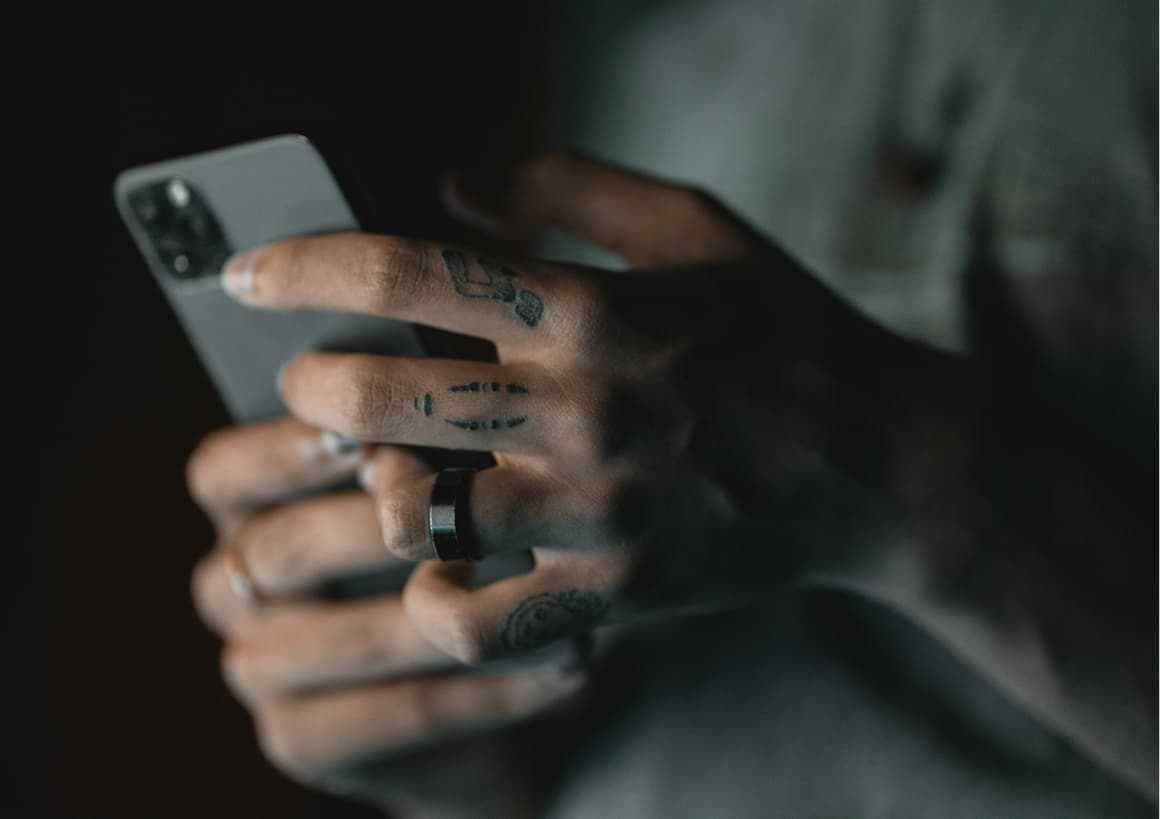
Every meaningful step in the evolution of the phone came from people who used it daily – who felt the friction in their hands, got frustrated, and couldn’t stop thinking about a better way. Human creativity, in its most productive state, is embodied. It lives in the contact between a person and the problem they’re trying to solve.
AI has no equivalent contact. No frustration. No compulsion. No moment where it stops forcing an answer and lets a better one arrive.
That’s not a permanent limitation of AI. It’s a description of where things are now. And right now, the decisions businesses make about who owns the creative process – and what gets handed over to tools that have never held the phone – will shape what their products become.
The teams that understand this now will be the ones whose products people reach for without thinking about why.
Friday is a digital marketing and UX agency based in Dublin. If you want to work with a team that understands what human creativity brings to digital products and how to use AI without losing it, we’d like to talk.

 Dave Jackson
 Gavin Duff