 Elton Tsang
The FIFA World Cup 2026 is the biggest sporting event on the planet. Billions of eyes. Packed stadiums. Billions in sponsorship deals and somewhere in the middle of it all, a denim brand that didn’t pay a cent for official sponsorship just pulled off one of the most talked-about marketing moments of the tournament.
No press release. No paid campaign. Just a covered-up logo, a very quiet and very deliberate response.
What Actually Happened
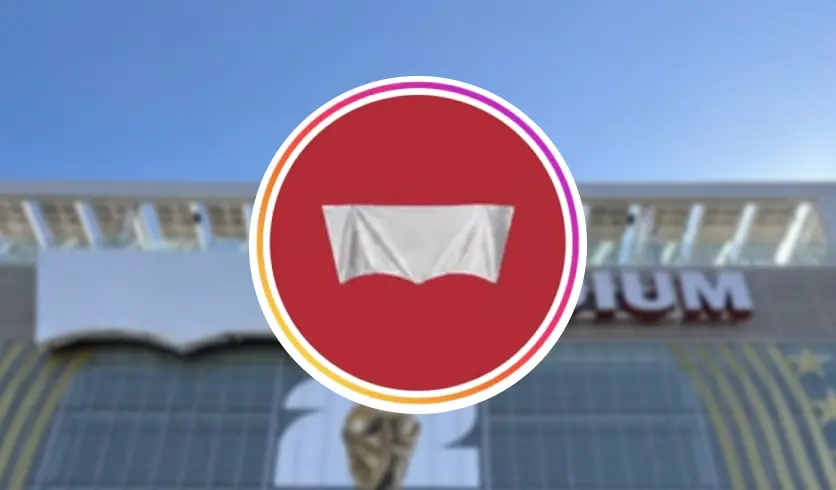
Levi’s Stadium in Santa Clara, California, is one of the venues for the 2026 World Cup. There’s just one problem, Levi’s is not an official FIFA sponsor. Under FIFA’s strict “clean stadium” policy, any branding from non-partner companies must be removed or covered during World Cup matches. So FIFA covered up the Levi’s logo outside the stadium.
The stadium was officially referred to throughout the tournament as the “San Francisco Bay Area Stadium.” The iconic Levi’s name? Wrapped up in white sheeting, out of sight, out of mind.
Except it wasn’t.
When footage and images of the covered logo started circulating online, people immediately noticed. Fans, journalists, and marketing professionals across social media began asking the same question:
Wait, why is that stadium logo wrapped up?
That question alone sent Levi’s name trending without Levi’s having done anything yet.
Then Levi’s did something.
The Move That Made Everyone Stop Scrolling
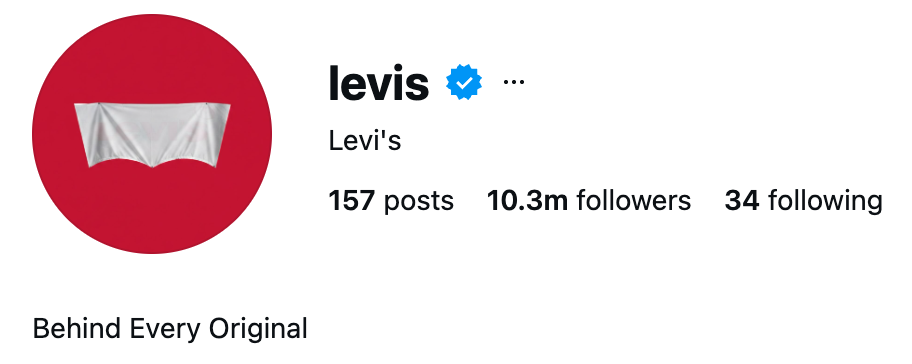
Rather than ignoring the situation or issuing a corporate statement, Levi’s updated their official Instagram profile image. To a white-sheeted logo. The same covered, wrapped, obscured version that FIFA had plastered across their own stadium. The caption? “Welcoming the world to the beautiful [redacted] stadium!”
That’s it. No aggression. No complaint. No lengthy thread about sponsorship politics. Just a quiet, knowing nod and the internet did the rest.
The post spread rapidly across social media, with commenters calling it “a genius move,” a masterclass in reactive marketing, and proof that you don’t need to be an official sponsor to own the conversation.
Why This Is Smart Marketing, Not Just a Lucky Moment
This isn’t just a fun story. There are real lessons here for any brand.
Levi’s didn’t create the moment, they responded to it.
The World Cup generates an enormous volume of organic search, social discussion, and media coverage. Levi’s Stadium was always going to be part of that conversation. What Levi’s recognised is that the FIFA cover-up had accidentally handed them something far more valuable than a sponsorship placement, a story that people want to share.
They kept it quiet and let the audience fill in the blanks.
This is the part that most brands get wrong. When a brand becomes part of a news cycle, the instinct is often to over-explain, to capitalise loudly, or to run an ad campaign around it. Levi’s did the opposite. The wrapped Instagram profile image is understated.
It doesn’t tell you what to think. It invites you to think and when audiences are invited to make their own interpretation, they engage far more deeply and they share it, because they feel like they discovered something.
The contrast with FIFA tells its own story.
By mirroring the exact thing FIFA tried to use against them, Levi’s made an implicit comparison that required no words. On one side, a global governing body enforcing corporate sponsorship rules at the world’s biggest football tournament.
On the other, a brand that’s been part of working culture since 1853, whose name is literally on the stadium. The public instinctively picked a side and it wasn’t FIFA’s.
They rode a time-sensitive wave at exactly the right moment.
The World Cup is happening right now. Every day of this tournament is generating billions of impressions. Levi’s didn’t wait for a campaign planning cycle or a board sign-off. They saw the moment, they moved on it within 24 hours, and they captured the cultural conversation at its peak.
What Brands Can Learn From This
The Levi’s play is a reminder that some of the best marketing opportunities don’t come from a brief. They come from paying attention.
Every industry has its equivalent of the FIFA clean stadium rule, a competitor taking up space, a regulation that forces your hand, an event that touches your world without directly including you. The question is whether your brand is positioned and agile enough to recognise those moments and act.
A few principles worth taking from this:
Brand strength matters more than you think.
Levi’s could pull this off because their logo is so recognisable that even wrapped up in white sheeting, everyone knew what it was. That brand equity was built over decades. It’s worth investing in.
Restraint is a creative choice.
The temptation in marketing is always to say more, spend more, shout louder. Levi’s proved that doing less but doing it with intention can cut through far more effectively than a full campaign.
Time-sensitive cultural events are marketing windows.
The World Cup, the Euros, the Olympics, major national events – they create a shared cultural conversation that people are already engaged in. If your brand, product, or sector has any relevant connection to those moments, there is an opportunity to add something to that conversation. You don’t need to be an official sponsor to be part of the story.
The Ad FIFA Accidentally Made for Levi’s
You have to ask: did Levi’s just accidentally produce the most effective advertisement of the entire World Cup without spending a single euro on media? They didn’t buy a spot. They didn’t hire an agency to produce a viral video. They simply took what FIFA handed them, enforced invisibility and wore it as a badge of honour.
The covered logo became the story. The story became the content. The content became free global media. By saying nothing, Levi’s said everything.
Is that reverse psychology? A masterclass in brand confidence? A stroke of reactive genius? Maybe all three. But whatever you call it, it worked and millions of people are talking about Levi’s during a tournament they’re not even sponsoring.

 Gavin Duff