 Isha Kulkarni
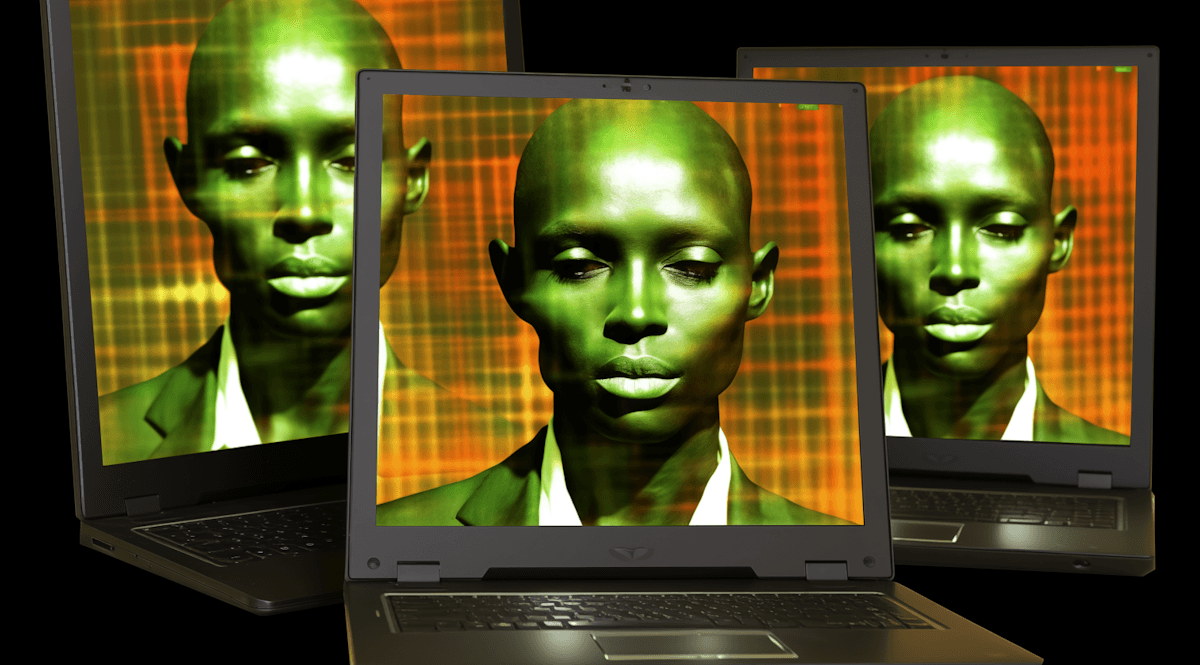
We live in a time where algorithms claim to know us better than our friends do. AI promises to design experiences tailored to us, yet somehow those experiences feel less human than ever.
Every scroll, tap and pause is being observed, predicted and optimised. “Smart recommendations”, “personalised journeys”, “AI-powered design”, all sound thoughtful, even empathetic. But if the algorithm is the one making choices on your behalf, is it still user experience or just machine experience wrapped in clever marketing?
Who’s Designing for Whom?
Let’s start with the philosophical wound: autonomy. UX was born from Human-Computer Interaction, an era when we were trying to make machines easier for people to understand. Designers observed, empathised, tested and iterated to help humans make sense of the new digital systems that were coming up. But now the roles are quietly reversing.
We’ve entered a world where experiences aren’t designed for users; they’re designed for engagement.
A growing body of research already warns that algorithmic systems often undermine human autonomy by shaping what options you see and influencing your choices without you realising it. Many studies have found that automated decision-making narrows freedom by quietly steering behaviour.
Algorithms now decide what you see, what you buy and sometimes even what you believe. When machine learning models decide your feed, your route or your options, are they really optimising your experience or simply maximising their own performance metrics? That’s not empathy, that’s efficiency disguised as “understanding you”.
Engagement Is Not the Same as Empathy
Algorithmic design loves a pattern. It analyses your clicks, pauses and watch time, then gives you more of the same as if repetition equals comfort and satisfaction.
Take the endless scroll of Instagram, YouTube or TikTok. The more you watch, the more it feeds you the same content. Watch three cat videos and you’ll soon live in a digital cat kingdom. It doesn’t “think” you might also enjoy mythical history or architecture documentaries. Unless, of course, your phone overhears you talking about it.

Machine-first design isn’t evil, it’s just indifferent. It prioritises scale and engagement over context and well-being. It reinforces what’s familiar, not what’s possible. When convenience takes the lead, empathy, accessibility and diversity quietly move to the backseat.
The irony is most companies just keep slapping “AI-powered” labels on half-baked products that ignore basic usability and human insight. It’s a race to sound futuristic, not to be thoughtful.
And to be honest, these systems aren’t as “intelligent” as they appear. They’re only as smart as the data we feed them. When designers start trusting algorithmically generated personas over real user research, coherence becomes the problem, not accuracy. These systems adapt to behaviour, not intention. They’re great at predicting what you’ll do next, but terrible at understanding why you’re doing it.
So when we let automated systems take the driving seat in design, we risk creating products that understand patterns, not people.
Maybe It’s Not UX Anymore
This shift forces us to question what “UX” means in this day and age. Our goal for a long time has been to make machines and interfaces usable. But now that we’re designing with the rising algorithmic and AI systems, maybe it’s time to evolve towards something that balances data with dignity. We may have entered the age of Human-Algorithm Interaction, one where designers create with automation in mind, but never for it at the expense of the human.
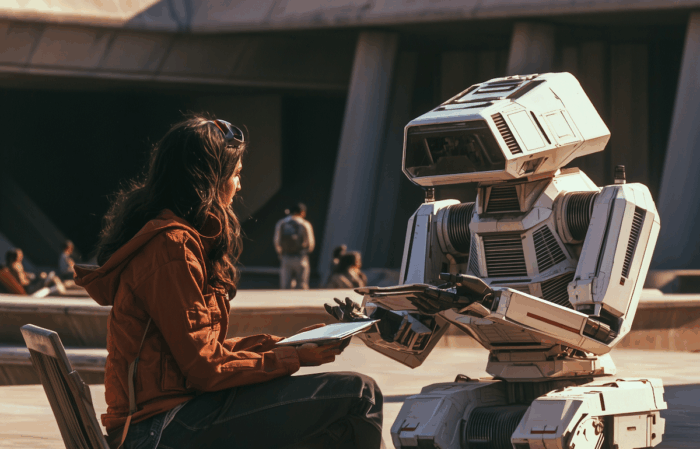
The goal isn’t to reject machine intelligence but to reclaim control. As designers, we need to ask ourselves what these systems are optimising for, when they’re right and when they’re wrong. I’m happy to let algorithms do what they do best – detect, analyse and suggest – but I believe it’s our job to empathise, interpret and question.
Machine learning should assist the design process, not automate it. Because the moment we let systems design for humans without human oversight, we stop designing experiences and start building systems of control.
At Friday, we design experiences that keep people at the centre, even when AI’s in the mix. Let’s talk about designing digital experiences that feel human again.

 Elton Tsang
 Evan O'Reilly